Autonomous Vehicles & Robotaxis: Convenience vs Control in Everyday Mobility
Robotaxis and autonomous driving systems can change how cities move, but adoption depends on trust, regulation, and everyday practicality. This article focuses on realistic scenarios and the tradeoffs people feel.
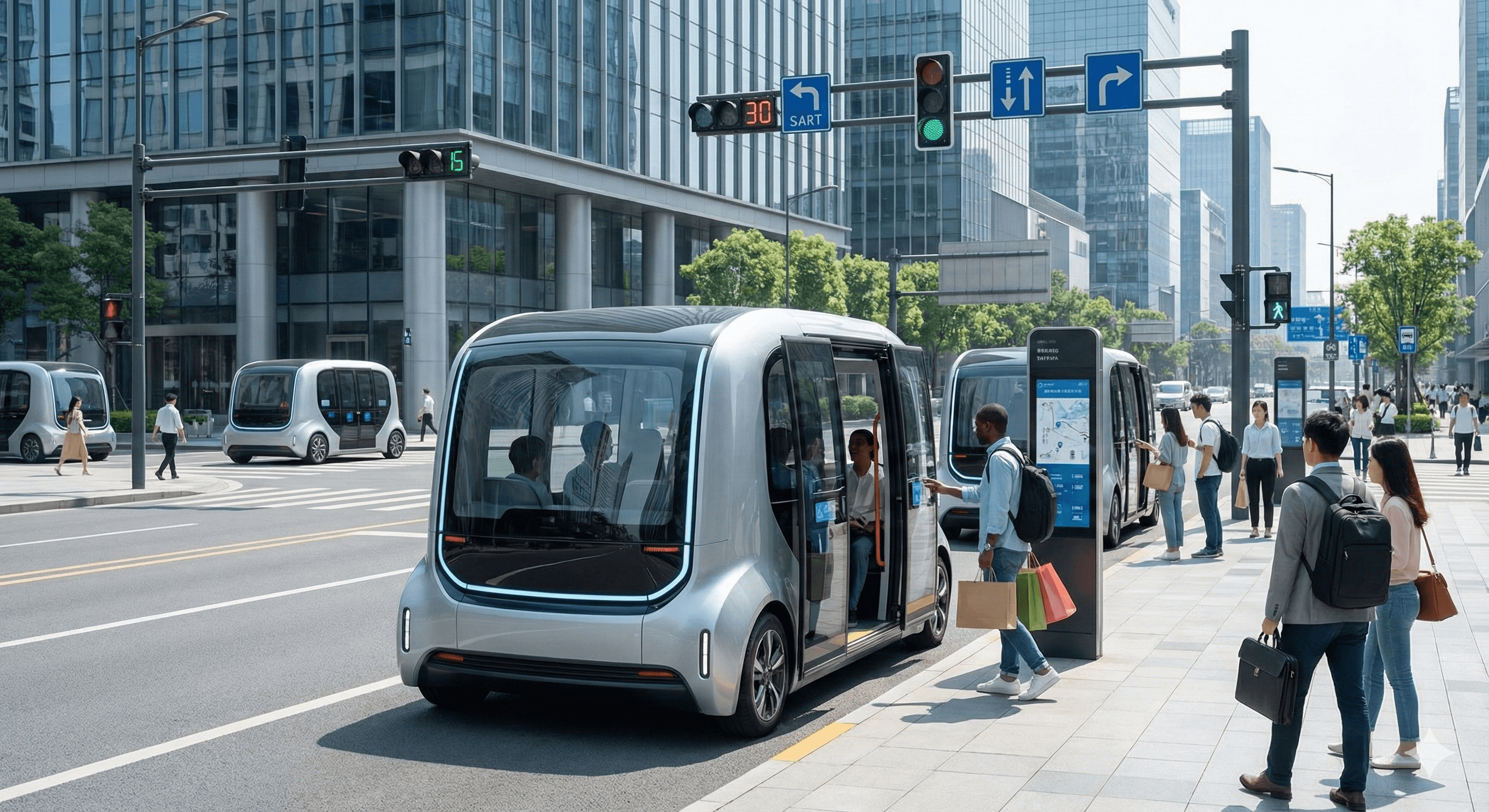
Summary: The consumer impact of autonomous vehicles is less about “no driver” and more about predictable, convenient trips. Adoption will hinge on trust, transparent operating rules, and whether people feel in control of data and routing.
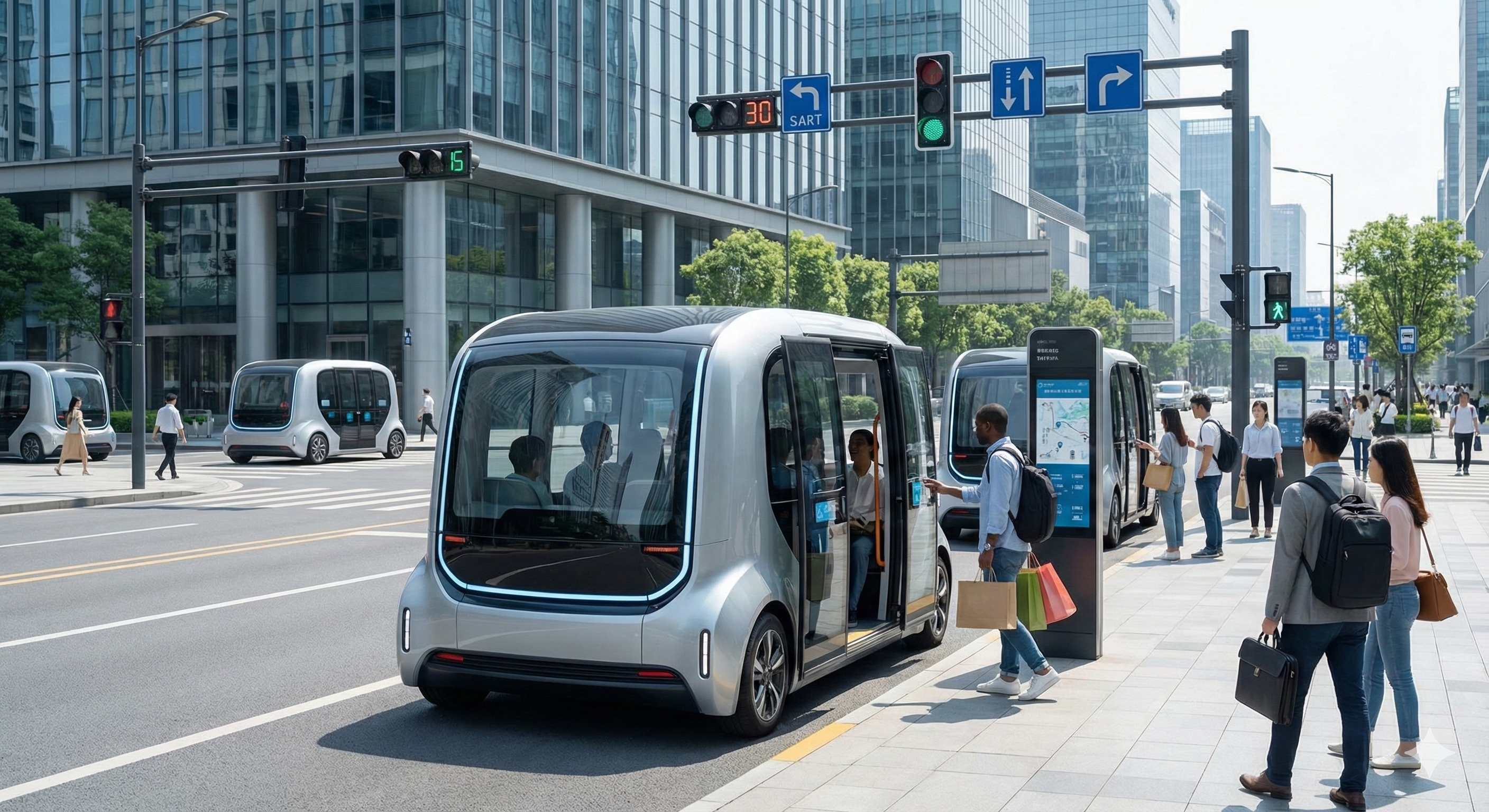
1) Lifestyle challenge
Getting around is full of friction: parking, traffic uncertainty, last-mile gaps, and the mental load of planning. People want mobility that is reliable and low-effort—especially for routine trips.
Robotaxis and autonomous driving systems offer a promise: turn driving into a service. But in daily life, that promise is filtered through practical concerns: “Can I depend on it today?” and “What happens when something unexpected occurs?”
2) Technology role
Autonomous mobility systems combine sensing, mapping, planning, and continuous monitoring. For everyday users, the technology role is simpler:
- reduce trip friction,
- improve predictability,
- expand access for people who prefer not to drive.
The control question: who decides the route, the pickup point, and the data that gets recorded? Convenience only wins if the user feels agency.
3) Daily-life application
Scenario A: Commute simplification. A robotaxi that reliably arrives on time can make commuting less stressful. The value is not speed; it’s predictability.
Scenario B: Nighttime or unfamiliar areas. People may prefer a controlled pickup/drop-off experience with clear trip visibility and easy support access.
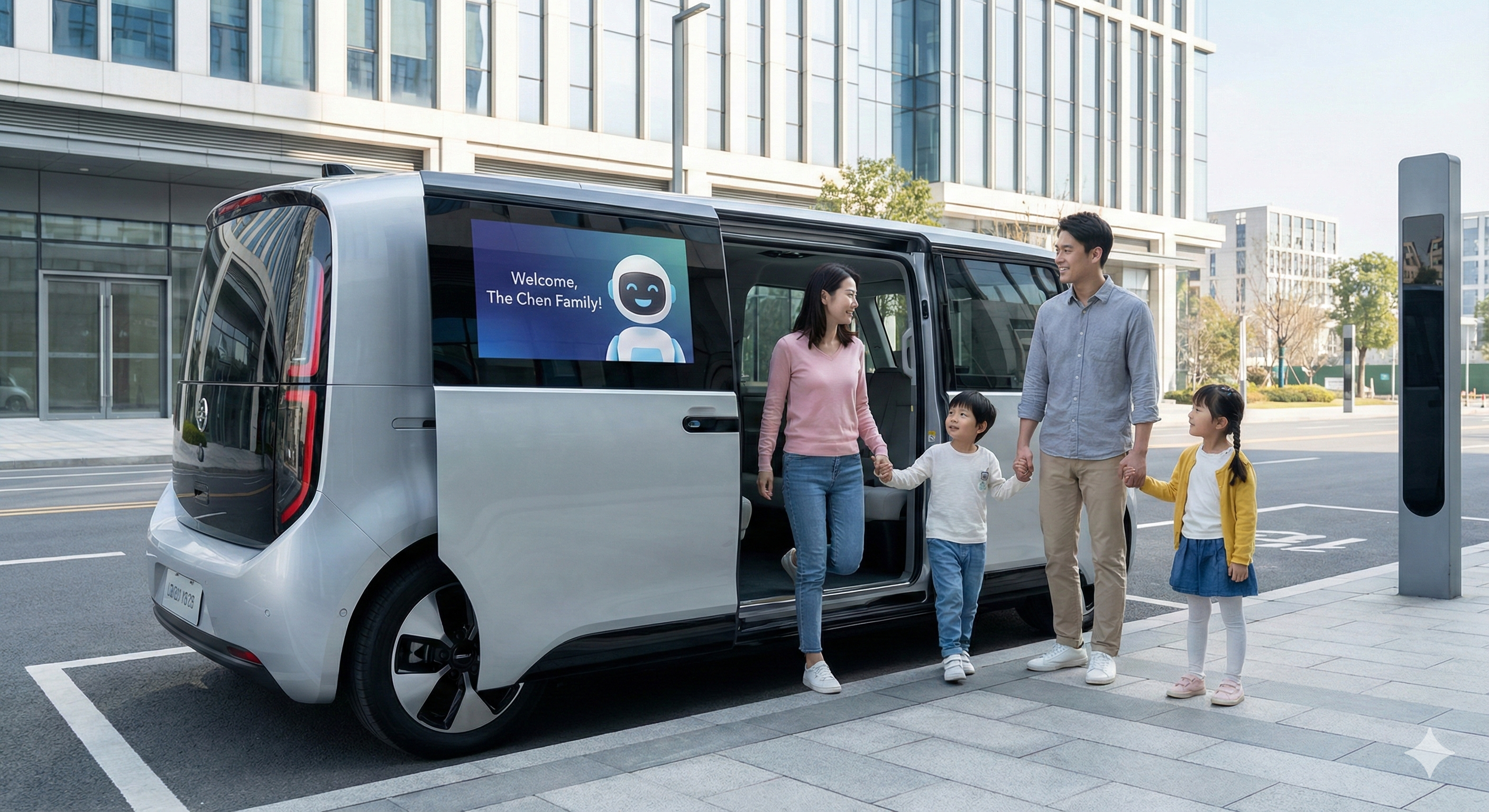
Scenario C: Family logistics. The appeal is coordination: scheduled pickups, shared ETA, and simpler errand chaining—without claiming safety outcomes.
Where it can disappoint: edge cases like construction, ambiguous pickups, or weather variability. Daily adoption depends on how the service handles exceptions, not just average trips.

4) Benefits vs concerns
Benefits
- Time reclaim: riders can use travel time differently.
- Reduced parking friction: especially in dense areas.
- Predictable scheduling: when the service is mature.
Concerns
- Trust and transparency: users want to know what the system will do.
- Data footprint: trips reveal routines and locations.
- Control during anomalies: how do you get help, change route, or stop?
A balanced expectation is that autonomy becomes useful first in constrained areas with mature operations.
5) Key Insights & Trends (2025)
Robotaxis have moved from experimental pilots to commercial reality in major metropolitan areas worldwide. By 2025, the focus has shifted from proving the technology works to scaling operations and integrating with public transit ecosystems.
Key Trends:
- Service Expansion: Autonomous ride-hailing services are now available 24/7 in dozens of cities, with reduced wait times and competitive pricing compared to human-driven rides.
- Purpose-Built Vehicles: We are seeing the rollout of vehicles designed without steering wheels or pedals, maximizing passenger comfort and accessibility.
Data Points:
- Autonomous ride-hailing services are now operational in over 50 major global cities as of late 2025.
- Safety reports from 2025 indicate that mature autonomous systems are involved in 75% fewer accidents per million miles compared to human drivers in comparable urban environments.
6) Adoption barriers
- Regulatory variability: availability differs by city and region.
- Service coverage: limited geofenced areas restrict daily usefulness.
- Pricing and surge patterns: people adopt what is predictable.
- Social comfort: shared rides, cameras, and policies shape experience.
6) Near-future outlook
Near-term expansion will likely focus on:
- better city coverage,
- clearer rider controls (support, stops, routing preferences),
- more transparent data policies.
The mainstream breakthrough will happen when the service feels boring—in a good way. Reliability matters more than novelty.
7) FAQs
Q: Are robotaxis available everywhere?
A: No. Availability varies widely by city due to operational and regulatory constraints.
Q: What should riders look for?
A: Clear support pathways, transparent data policies, and predictable pickup behavior.
Q: Will it replace owning a car?
A: For some city residents it could reduce ownership needs, but it depends on coverage and cost.
Q: What’s the biggest adoption driver?
A: Predictability under exceptions: construction, reroutes, and pickups.
8) Balanced conclusion
Autonomous mobility can reduce daily travel friction, but adoption depends on trust, control, and transparency. The technology is only part of the story. The real everyday value comes from how services handle edge cases, communicate policies, and respect user agency.
Related Articles
Related Articles

AI Wearables: Convenience, Control, and the New Personal Data Boundary
AI wearables promise hands-free assistance and better habits, but the real question is what you trade for that convenience. This article maps everyday scenarios to privacy, control, and realistic adoption barriers.

AR/VR Daily Experiences: Where Immersion Helps—and Where It’s Just Noise
AR and VR are moving from novelty to utility in specific contexts. This article translates immersive tech into everyday scenarios, with a clear view of convenience vs control and privacy vs personalization.

Smart Home Interoperability (AIoT): The Real Battle Is Standards and Trust
Smart homes fail when devices don’t cooperate and users lose control. This article explains interoperability as a lifestyle issue—how standards, local control, and privacy determine daily value.