Digital Twins: Why Businesses Build Them (and Why Many Fail)
Digital twins can improve planning and operations by connecting models to reality, but they require disciplined data governance and change management. This article explains adoption in business terms—without hype.


Summary: A digital twin is a living model connected to operational data. The business value comes from better decisions—maintenance planning, capacity, and risk analysis. The failure mode is building a beautiful model with stale or untrusted data.
1) Business problem
Complex operations are hard to reason about: factories, supply chains, energy systems, and even large software platforms. Decisions are expensive, and trial-and-error in the real world is risky.
Businesses need a safer way to ask “what if?”—without relying only on meetings and spreadsheets.
2) Technology solution overview
A digital twin pairs:
- a representation of the system (structure, constraints),
- continuous data feeds (telemetry, status, events),
- analytics or simulation to test scenarios.
What it replaces: static dashboards and disconnected planning models.
The core idea is not visualization. It’s decision support: using a consistent model of the system to predict outcomes under changes.
3) Operational transformation
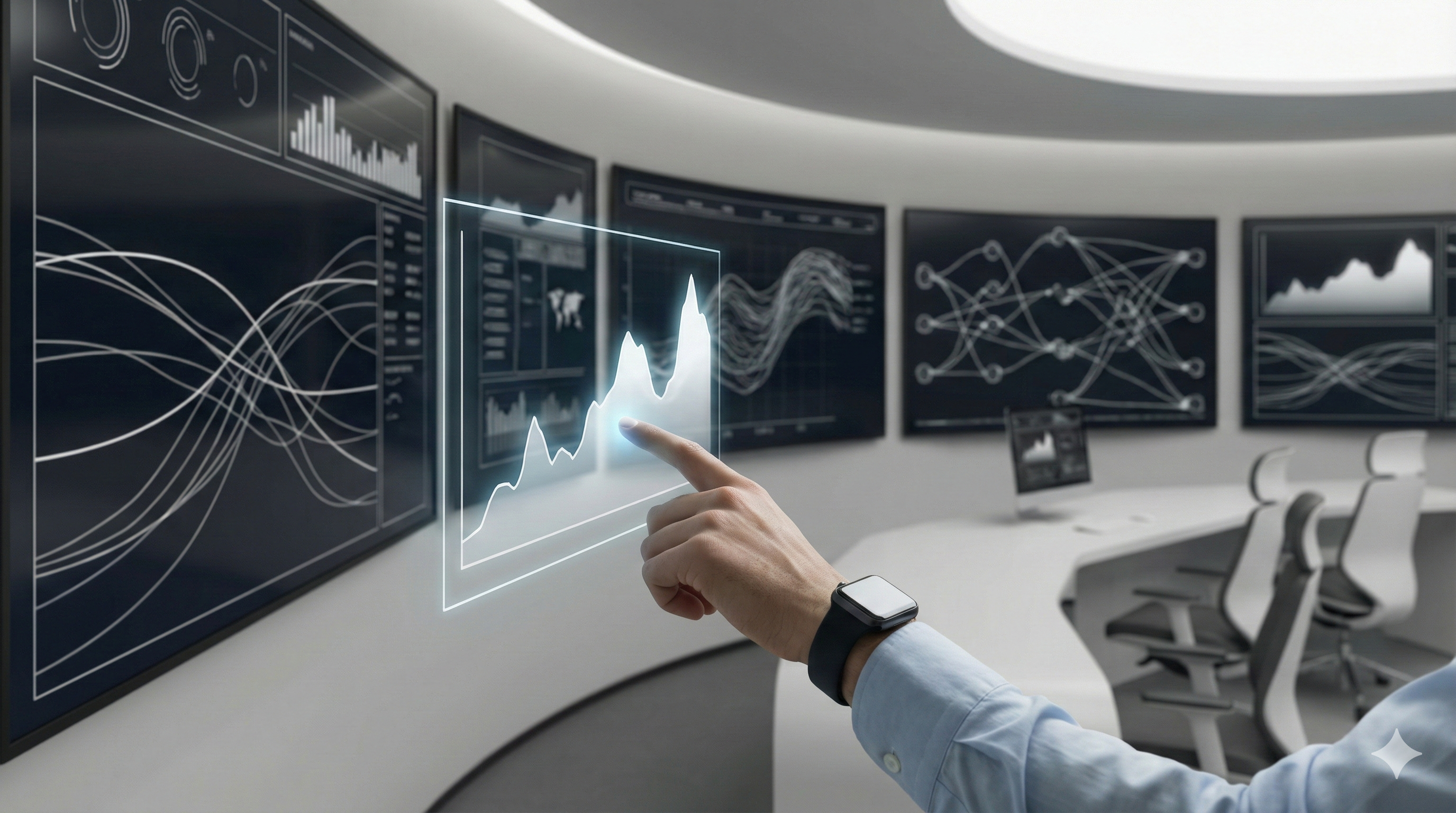
Digital twins shift operations from reactive to more anticipatory:
- maintenance scheduling informed by condition signals,
- capacity planning based on realistic constraints,
- scenario testing before changes roll out.
This requires organizational alignment: data owners, operators, and planners must agree on what the twin represents and which metrics matter.
4) Governance & risk
Common risks:
- Data trust: inconsistent sources create conflicting truth.
- Model drift: the twin diverges as the real system changes.
- Overconfidence: decision-makers treat simulations as certainty.
Governance needs:
- clear data lineage,
- validation procedures,
- versioned model assumptions,
- explicit uncertainty communication.
5) Key Insights & Trends (2025)
Digital Twins have expanded beyond manufacturing into the “Industrial Metaverse” and organizational management. In 2025, high-fidelity, real-time simulations are being used to model not just physical assets, but entire supply chains and business processes.
Key Trends:
- Digital Twins of Organizations (DTO): Companies are creating digital replicas of their operational structures to simulate the impact of strategic changes, reorganizations, or market shifts before implementation.
- Real-Time Synchronization: Advances in 5G and edge computing have enabled two-way synchronization where changes in the digital twin can automatically trigger adjustments in the physical machinery.
Data Points:
- The global digital twin market surpassed $20 billion in 2025, with the manufacturing and energy sectors leading adoption.
- Companies implementing full-lifecycle digital twins reported a 20% reduction in time-to-market for new products due to accelerated prototyping and testing.
6) Industry examples
- Manufacturing: production bottleneck analysis and maintenance planning.
- Supply chain: scenario planning for disruptions.
- Facilities and infrastructure: energy usage and capacity management.
These succeed when the twin is tied to operational decisions, not built as a one-time visualization project.
6) Adoption roadmap
- Start with a decision you want to improve (not a “twin project”).
- Define a minimal model and validate data sources.
- Integrate into existing operational rhythms (planning meetings, incident reviews).
- Expand fidelity only after usage is proven.
- Establish ongoing ownership for updates and validation.
7) FAQs
Q: Is a dashboard a digital twin?
A: Not typically. A twin implies a model that can be used to test scenarios, not just observe.
Q: What causes most failures?
A: Weak data governance and unclear operational ownership.
Q: Do we need high fidelity immediately?
A: No. Start minimal and add fidelity where it improves decisions.
Q: How do we avoid overconfidence?
A: Communicate assumptions and uncertainty; validate against real outcomes.
8) Executive takeaway
Digital twins can improve operational decision-making when they are treated as living products: versioned, governed, and connected to real decisions. The differentiator is not simulation sophistication, but data trust and organizational ownership.
Related Articles
Related Articles
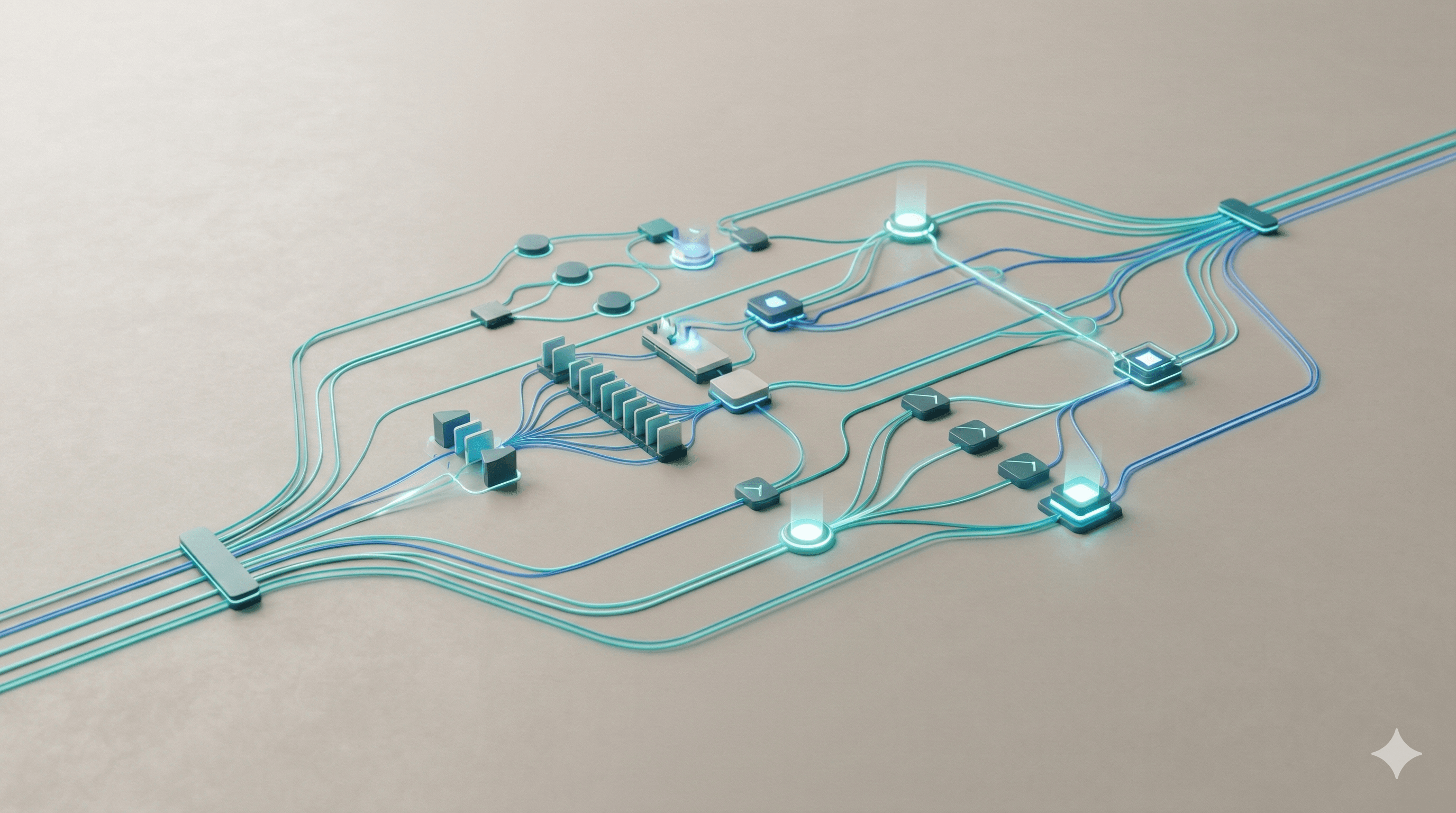
Hyperautomation & Agentic AI: Turning Automation into an Operating Model
Hyperautomation is no longer just RPA plus scripts. Agentic AI shifts automation toward goal-driven orchestration—making governance, change management, and risk controls the real differentiators.

AI-Driven Cybersecurity: Detection Gains, Governance Debt
AI can improve detection and response speed, but it also expands complexity and raises governance questions. This article focuses on organizational impact, risk controls, and practical adoption patterns.
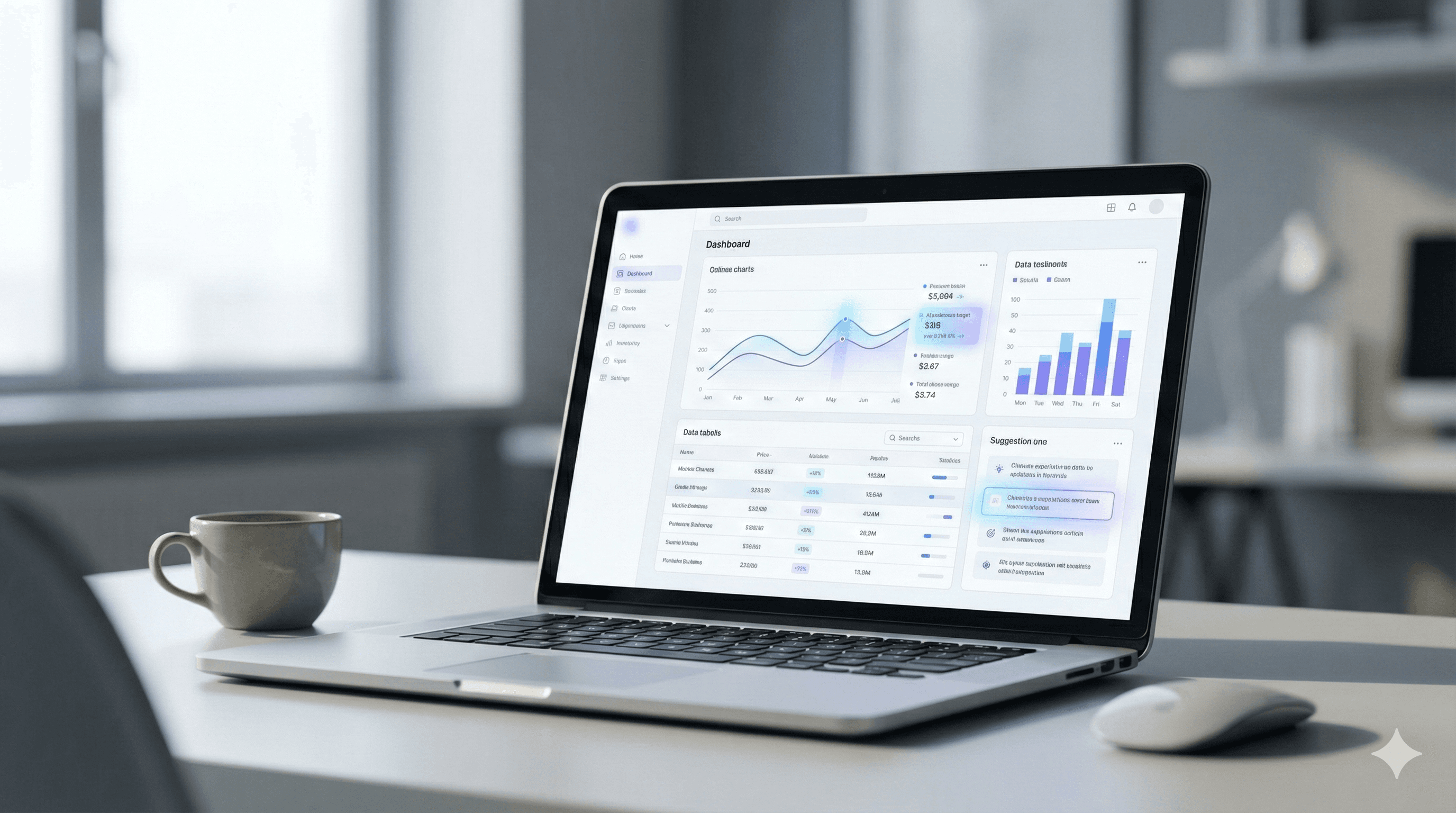
Embedded AI in Enterprise Software: From Feature to Default Capability
Embedding AI inside enterprise workflows can reduce friction and improve decisions, but it changes governance, UX, and accountability. This article explains the operational “how and why” behind adoption.